Modern Urban Follies and the Rise (and Fall) of Man brings together sculpture, installation, neon, digital image, animated GIFs, and QR codes to move between ancient monument, modern architecture, industrial construction, and digital space. Across the exhibition, these different forms become expressions of a recurring human impulse to build, orient, illuminate, reproduce, and impose order on the world. The work is interested in the possibilities created by that impulse, but also in its limits. Structures rise, technologies extend human capacity, and environments are remade, yet everything remains vulnerable to ruin and collapse.
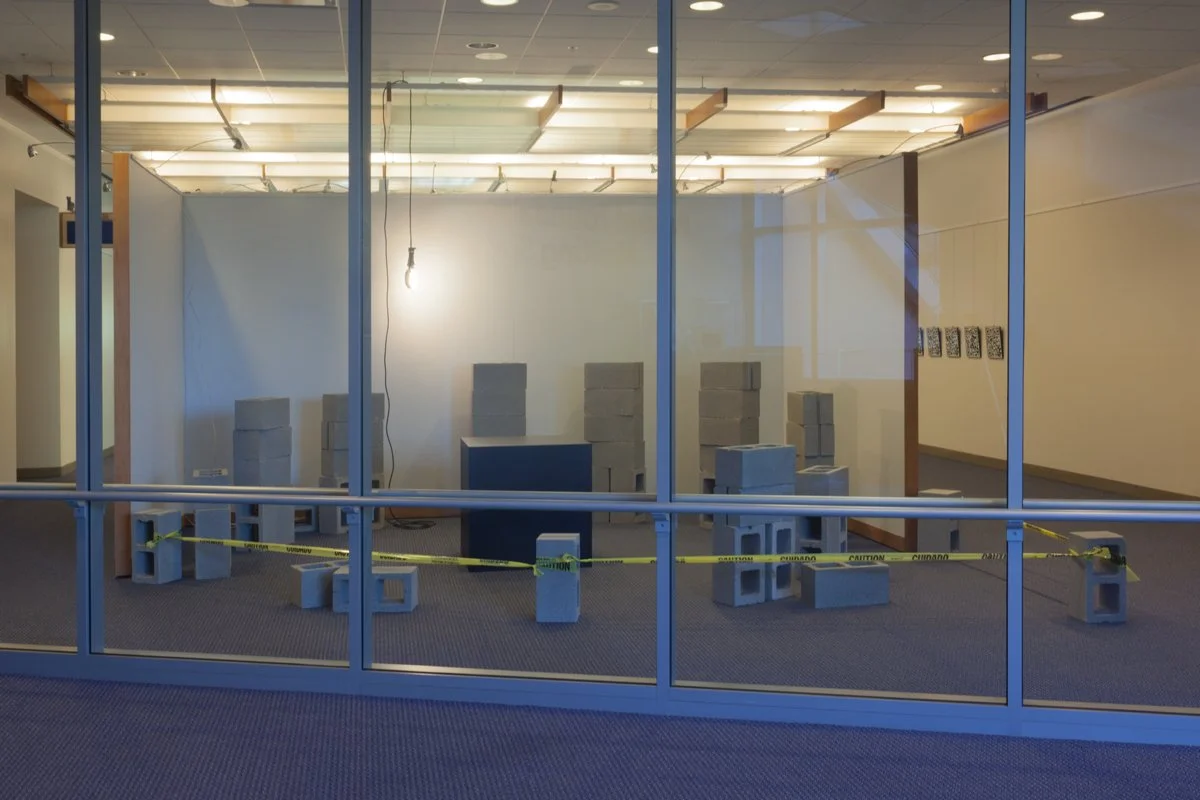
Ancient forms are reconstructed through contemporary industrial materials. A cinderblock stone circle surrounds a black cube beneath a suspended work light that functions as the Sun. A rectangular cinderblock ruin encloses artificial turf while a 5,000-lumen fluorescent tube light produces another synthetic sun overhead. A neon circle mounted to a cinderblock wall extends this idea, giving the structure its own artificial Sun and source of illumination. Stone becomes standardized masonry, grass becomes plastic, and sunlight becomes electrical illumination. The natural world is not simply represented but reconstructed through materials designed, manufactured, and controlled by people. Architecture no longer simply occupies an environment. It begins to produce one. At the center of the stone circle, the black cube functions primarily as an image of absence while also recalling one of the most elementary forms of three-dimensional digital space. It can therefore suggest both a void and a beginning, something missing and something waiting to be constructed.
The title’s reference to the architectural folly extends these questions into architecture. These structures resemble monuments and ruins but refuse the ordinary usefulness expected of architecture. At the same time, folly becomes a larger question about the human desire to build upward, master materials, extend natural limits, and leave something permanent behind. The “rise” is architectural and technological, but it is also the ancient gesture of reaching toward the Sun. The fall is already contained within that ambition through decay, mortality, technological obsolescence, and the eventual return of structures to ruin. “Man” is deliberately gendered, carrying the historical associations between masculinity, industrial power, technological conquest, and the heroic ambitions of modernism rather than functioning as a neutral term for humanity.
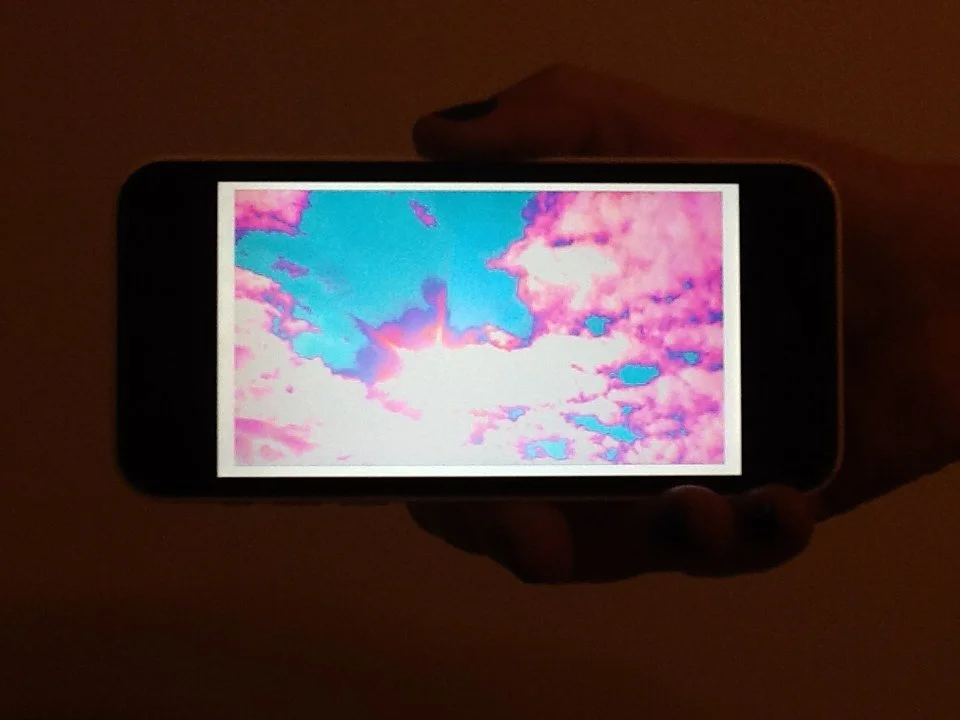
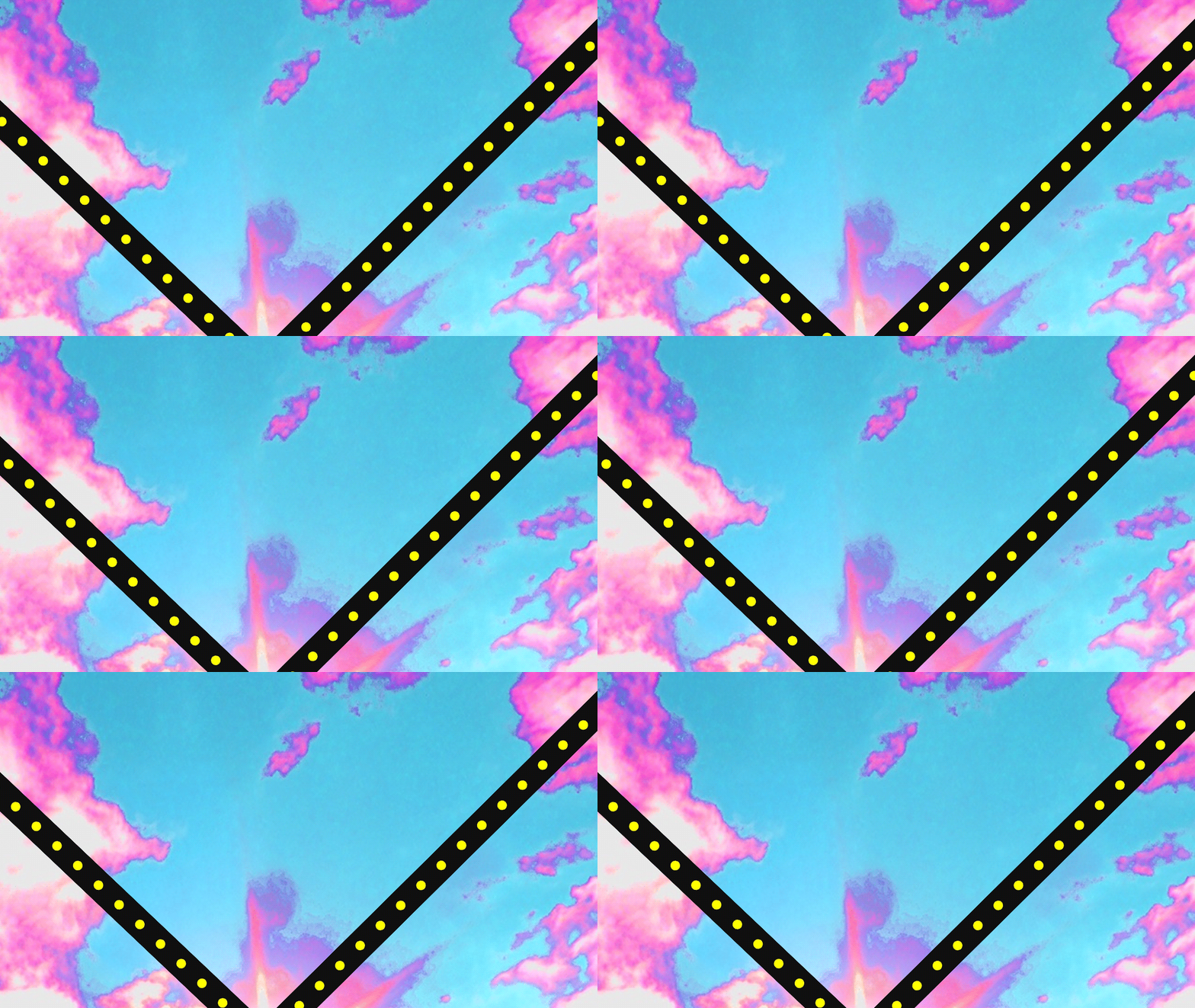
Throughout the exhibition, physical structures continually open into digital space. A QR code provides a digital setting for the ruin and stone circle, while a sequence of five QR codes activates individual animated GIFs that combine to form a single bouncing diagonal line. Each QR code leads to one of the animated GIFs, with the complete bouncing diagonal line emerging only through their relationship across separate images, screens, and physical locations. Digital and physical space become mutually dependent rather than opposites, with each providing information that the other cannot contain by itself.
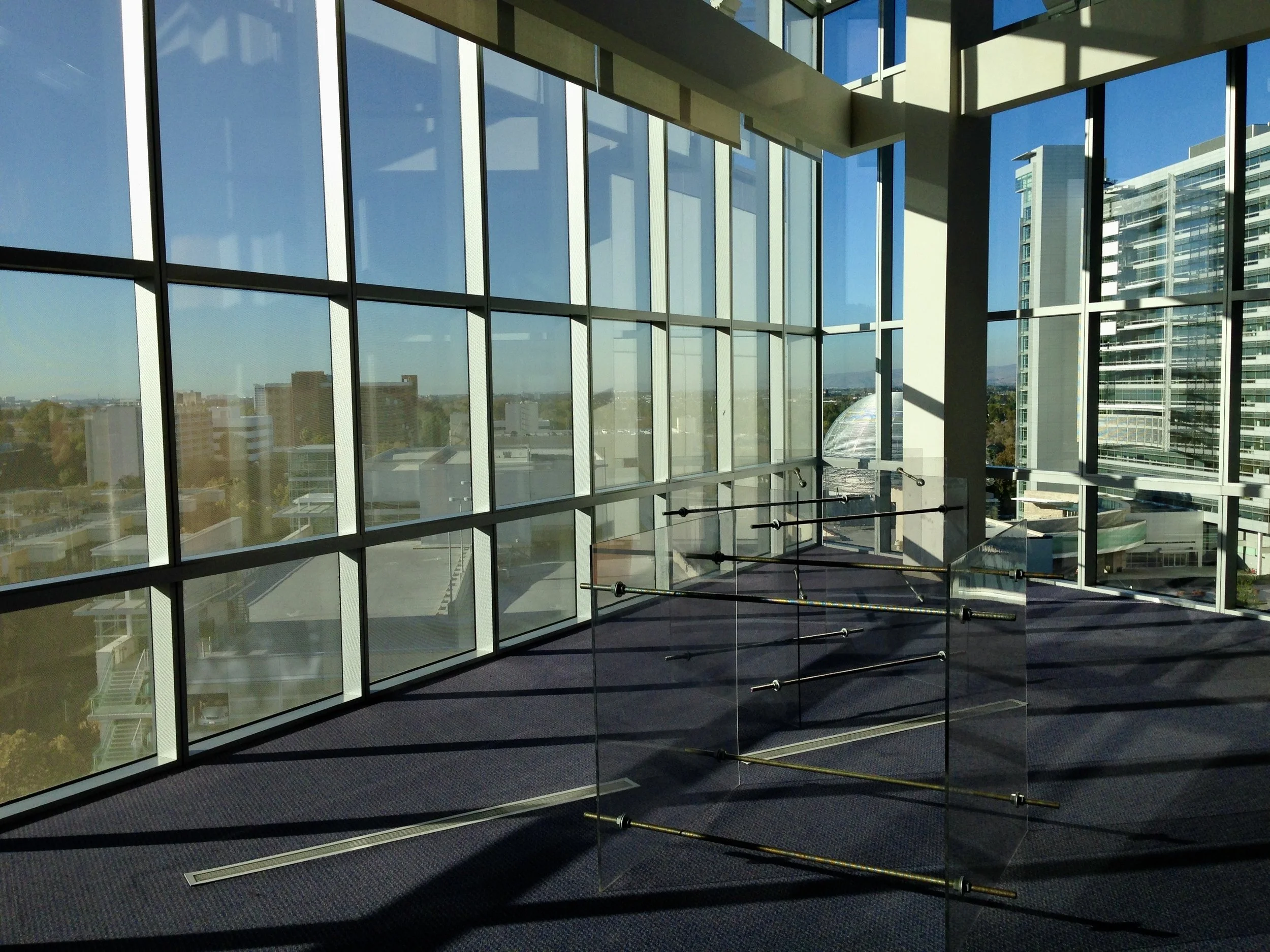
The satellite installation expand/collapse extends these questions to the top floor of the library. Three transparent structures made from polycarbonate sheet and industrial threaded rods are positioned in relation to the building’s large windows, the dome of San Jose City Hall, and the changing position of the Sun. Throughout the day shadows cast by the window frames and structures move across the floor and repeatedly enter and break alignment with the planes and lines of the objects. The title describes the formal construction of the cubes as one plane expands through space along threaded rods to form a three-dimensional structure. It also refers to the larger movement between physical and digital space throughout the project where environments can expand into one another and collapse again as physical space is translated into digital environments that are then encountered through embodied experience. Unlike the artificial suns elsewhere in the exhibition, expand/collapse depends upon sunlight. Temporary alignments continually form and dissolve, recalling ancient stone monuments whose orientations marked particular moments in relation to the Sun.
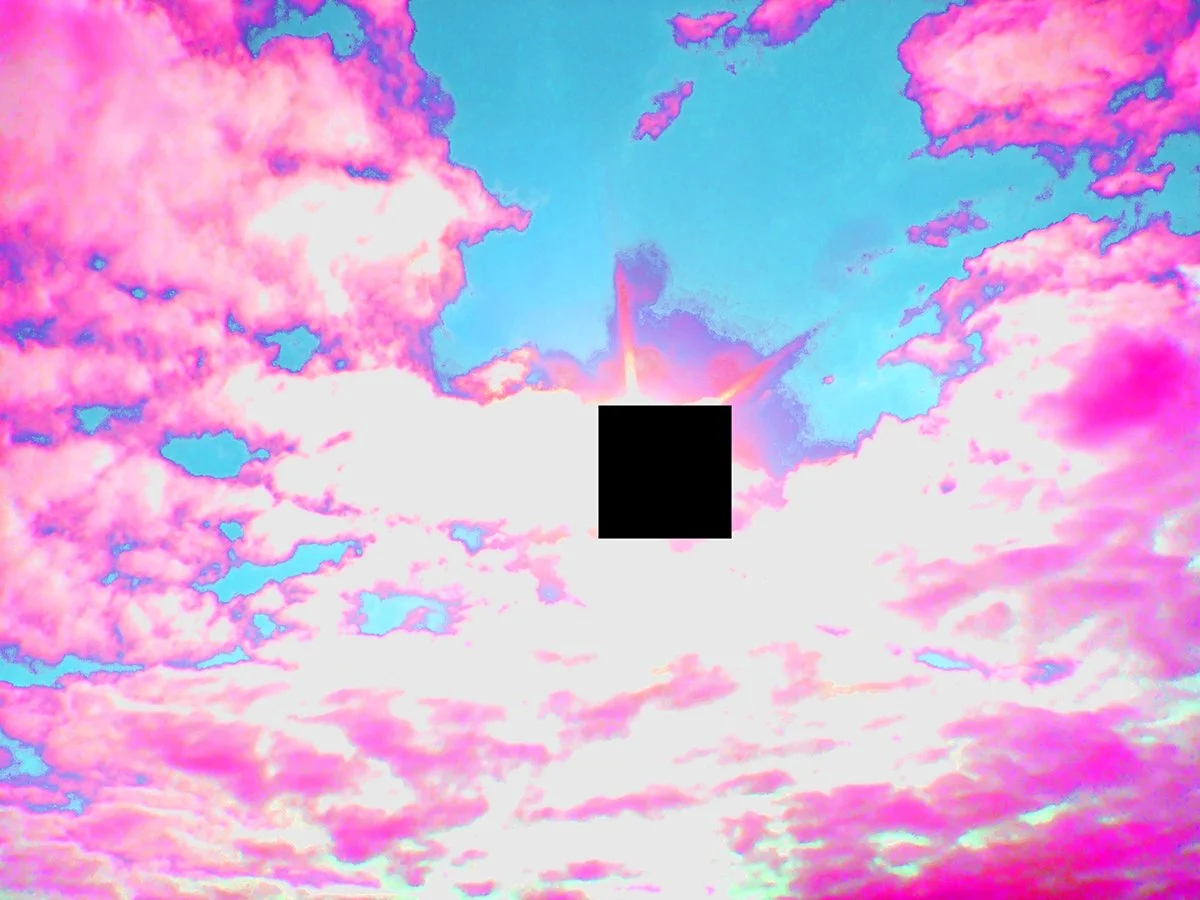
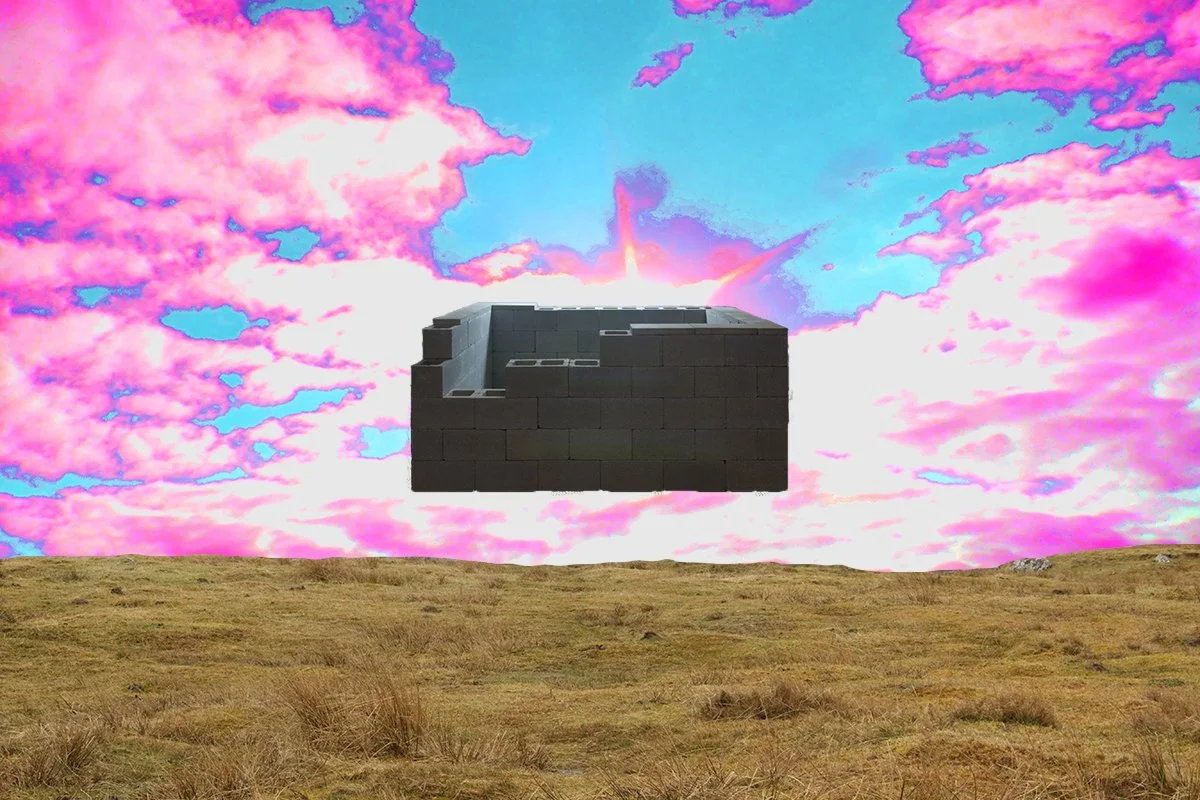
We begin beneath an intensely artificial pink sky where a black box interrupts the Sun. From there the project moves through physical structures, synthetic landscapes, artificial light, digital space, and shifting alignments before returning to the same impossible sky. When we return, the cinderblock ruin has entered the image and floats where the Sun might otherwise appear, with dead grass beneath it. What began as absence has accumulated architecture. The human-made structure has risen high enough to occupy the place of its original source of light, but it arrives there already as a ruin.
Modern Urban Follies and the Rise (and Fall) of Man moves repeatedly between construction and collapse, physical and digital space, ancient monument and modern industry, natural systems and their synthetic replacements. The work is fascinated by our capacity to remake the world, but skeptical of the desire for mastery that so often accompanies it. We build toward the Sun, manufacture substitutes for it, translate the world into information, and imagine structures that might outlast us. To reconstruct the conditions of our own environment is an extraordinary form of power, yet the ruins throughout the project suggest that this power is neither permanent nor complete. The desire to remake the world contains both the extraordinary possibility of transcendence and the conditions of our own undoing: the rise and fall. 2014